Hello everyone! Recently, I have been getting a lot of global requests to translate some of my blogs in other languages. I am excited to announce that One Evolutionary Vegan will hence be opening up its platform to global participants and engaging with other vegans around the world in different languages. As a result of this decision, I have taken active initiative to translate a few select blogs into other languages that I am fluent in including Hindi, Turkish, and Spanish. I will be posting a few of my past blogs in Hindi, that I translated by myself, over the next few days. Stay tuned!
Aang the Avatar from the show Avatar: The Last Airbender is a Vegetarian


What was your favorite TV show growing up? Recently, Netflix added Avatar: The Last Airbender on its repertoire, and I couldn’t help but take notice of some of the cultural aspects, with regards to food, on the show. The main character Aang the Avatar, who is destined to save the entire world, is a vegetarian. I was astonished. I didn’t think this had to do with anything culturally but then I realized that Aang is a monk, and like many monks from regions of Asia, Aang, too, believes in abstaining from eating meat as a lifestyle practice. And when I thought about it, it all made sense. Aang the Avatar, who is the master of all four elements (water, earth, fire, and air), must keep an equitable balance between these four elements. As a result, it is against his moral beliefs to take the life of a living being, including animals, because he believes in the equality of life. Aang’s practice is consistent with that of many monks today. They believe in balance and harmony on earth which is why they abstain from eating meat. Maybe we can all take some advice from Avatar: The Last Airbender and look to plant-based sources of food for nutrition.
Images from:
Nature




What does “plant-based” mean in your culture?
As I have begun to create more videos in conjunction with my blog and nonprofit, I have begun to find out different meanings of the term “plant-based” in each respective culture. For example, I went to an Afghan restaurant the other day in D.C., and I happened to meet someone who was a vegetarian. He was Latin American, and he told me that even though his culture consumed a lot of meat, he was still able to appreciate and value his plant-based staples. He said that a large part of being plant-based in Latin American culture was valuing the staple crops that his ancestors have eaten for centuries: corn, black beans, plantain, etc. So my question for all of you today is what “plant-based” means in your culture? What types of “plant-based” foods does your culture consume? Leave your comments down below, I want to hear your guys’ thoughts and opinions!
Quotes about Veganism

Here are some inspirational vegan quotes for your day, I hope you enjoy!
“Be the change you wish to see in the world.” Gandhi
“It takes nothing away from a human to be kind to an animal.” Joaquin Phoenix
“Now I can look at you in peace; I don’t eat you anymore.” Franz Kafka
“And to every beast of the earth, and to every bird of the air, and to everything that creeps on the earth, everything that has the breath of life, I have given every green plant for food.” Genesis 1:30
“I can’t think of anything better in the world to be but a vegan.” Alicia Silverstone
“The most ethical diet just so happens to be the most environmentally sound diet and just so happens to be the healthiest.” Dr. Michael Greger
“The vegan movement is one of the fastest growing social justice movements in the world today.” Melanie Joy
“Veganism is not a “sacrifice.” It is a joy.” Gary L. Francione
“We don’t need to eat anyone who would run, swim, or fly away if he could.”James Cromwell
“You put a baby in a crib with an apple and a rabbit. If it eats the rabbit and plays with the apple, I’ll buy you a new car.” Harvey Diamond
“If slaughterhouses had glass walls, the whole world would be vegetarian.”Linda McCartney
“The time will come when men such as I will look upon the murder of animals as they now look upon the murder of men.” Leonardo Da Vinci
“The love for all living creatures is the most noble attribute of man.” Charles Darwin
“The soul is the same in all living creatures, although the body of each is different.” Hippocrates
“The question is not, ‘Can they reason?’ nor, ‘Can they talk?’ but rather, ‘Can they suffer?” Jeremy Bentham
Sources: Vegan Family Travels
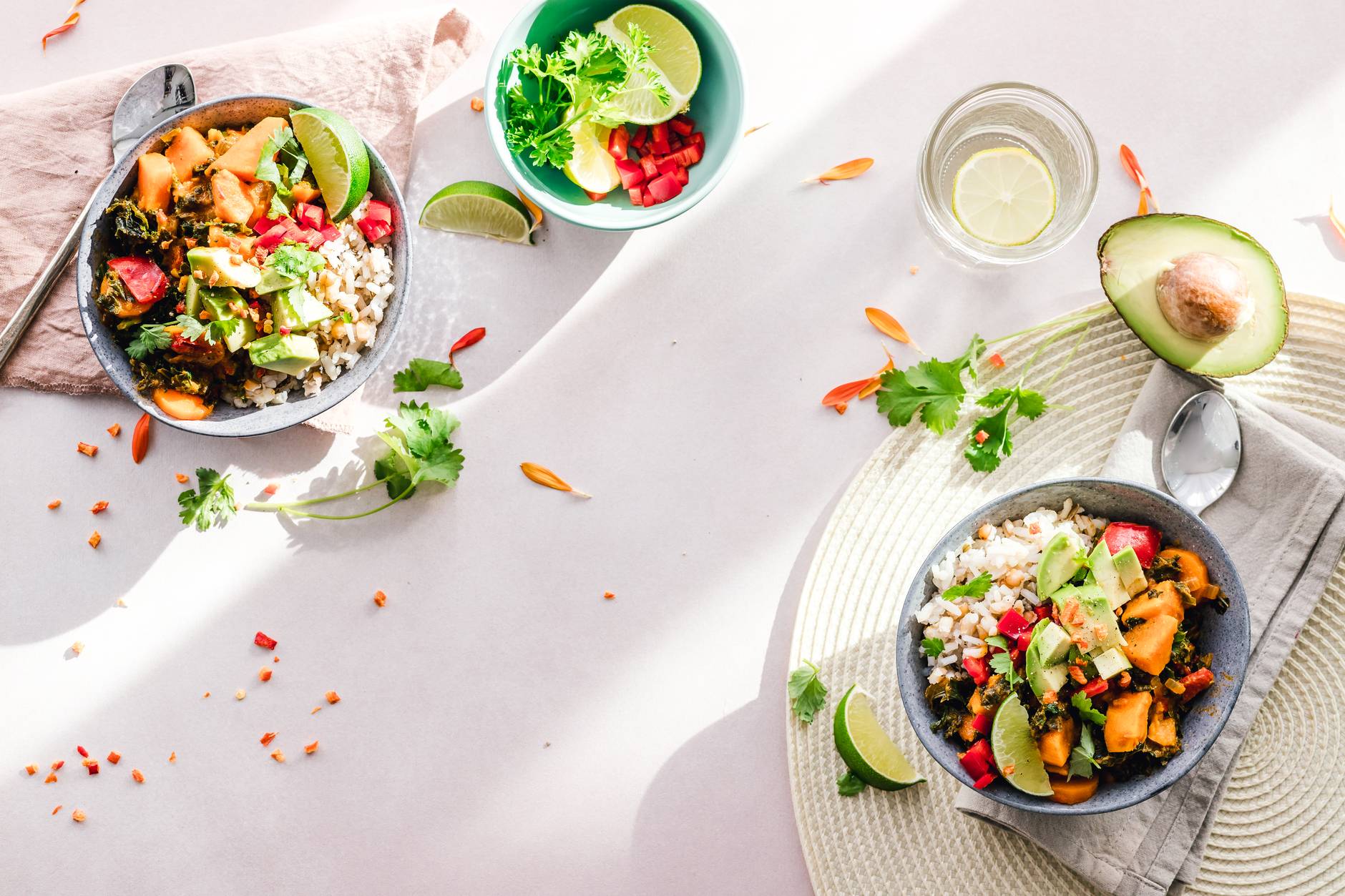
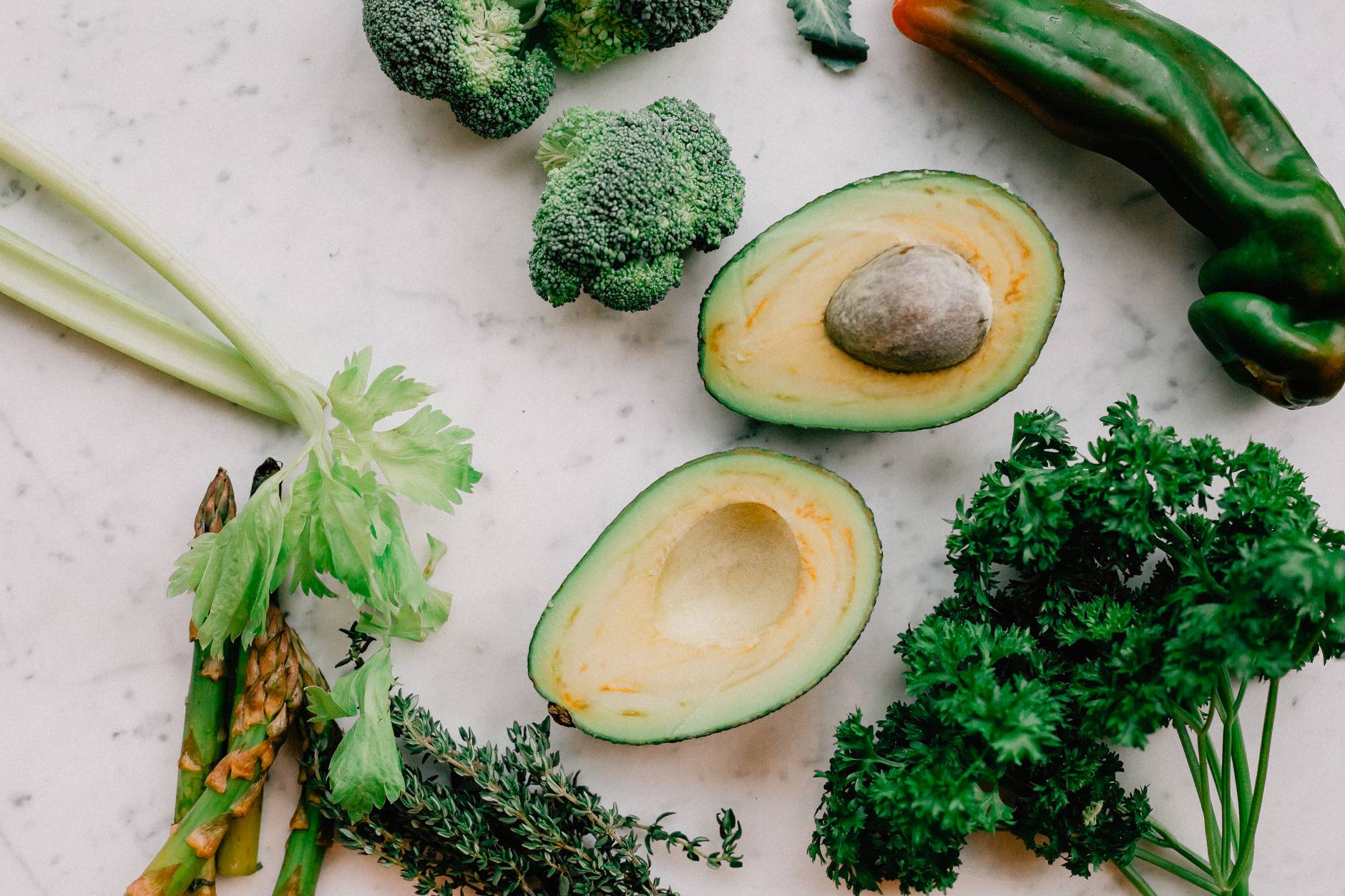
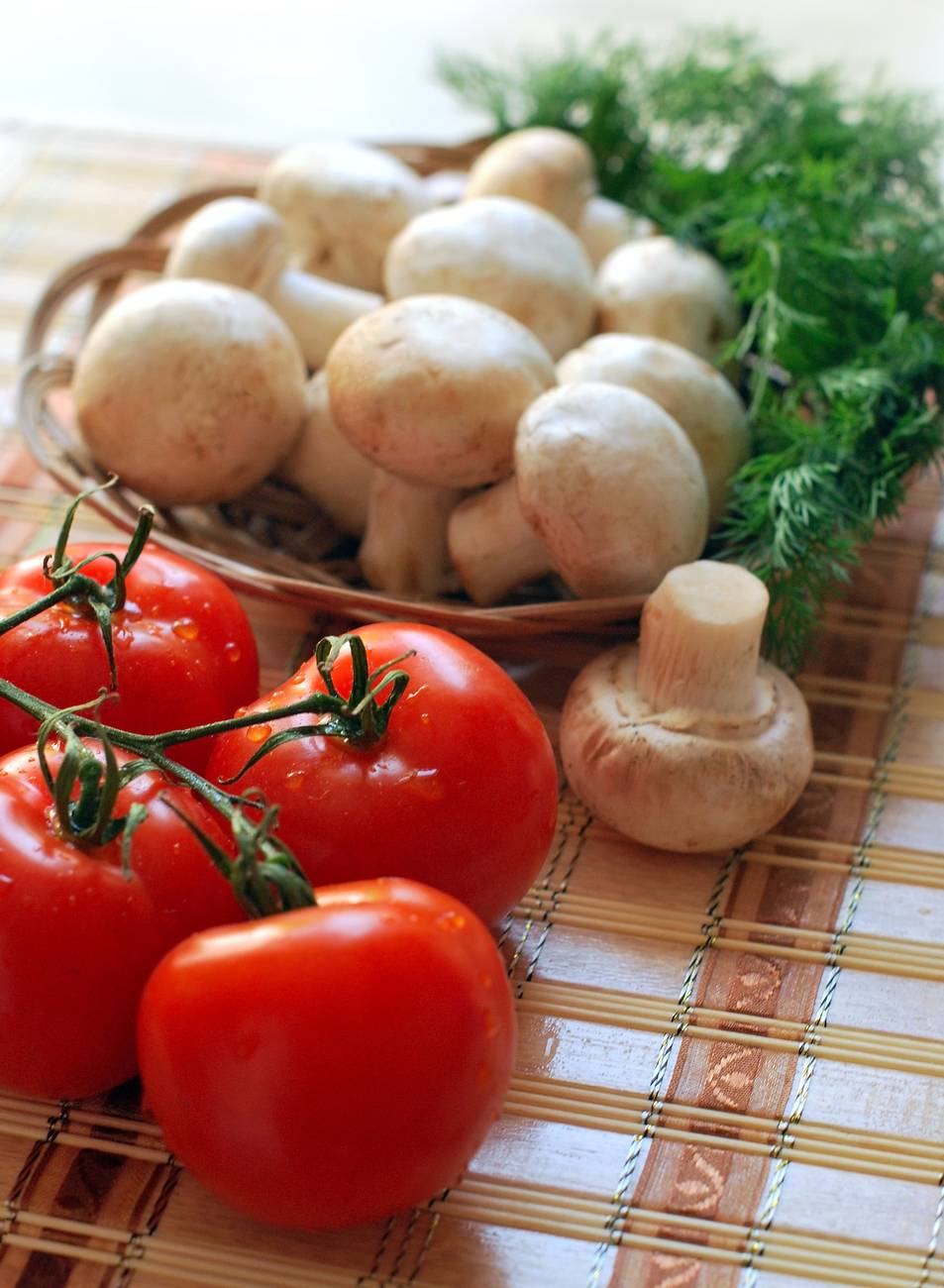
Plant-Based Culture in Photos


Sunday Thoughts with Sangeet

Recently I started creating videos (as you can tell with my last blog post). Some of the most powerful and enriching videos that you can make are videos about food-this is true. Food is not only a powerful and important part of our cultures, but also a huge part of our lives. Our food choices often dictate who we hang out with and the restaurants that we eat at. It’s not secret that food is often an underlying bond that we have with people. We need food to survive and, at some point or the other, food even becomes our source of connection to others. So what does food mean to you? Do you see food as more of a necessity or a work of art or neither? In regards to food, many people tend to appreciate foods that are closely related to their own cultures. What are some foods from your culture that you love and appreciate? What is your ideal comfort food when you come back home from a long trip? Leave your comments down below! Stay tuned for some new video content coming soon!
Exploring Plant-Based
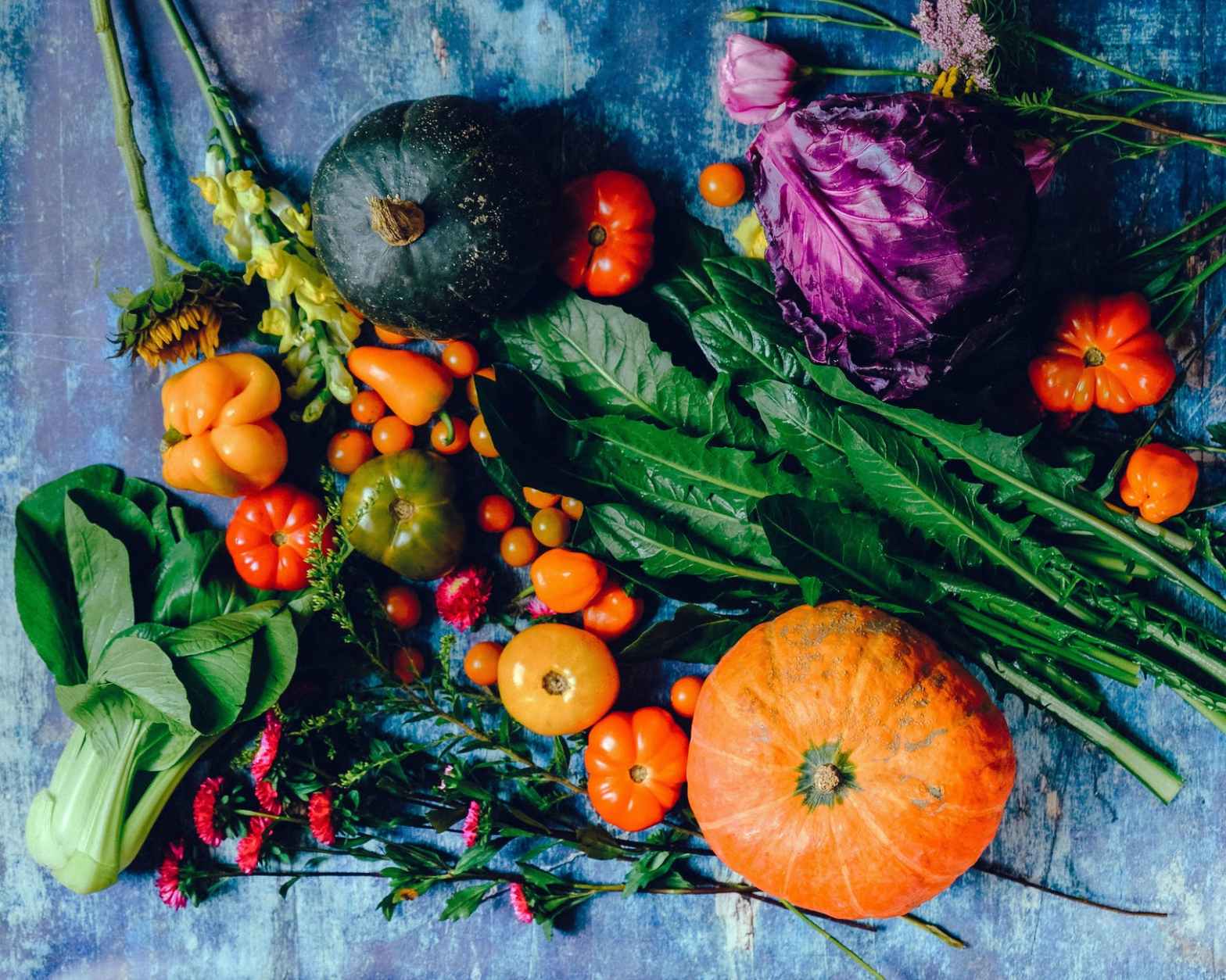
What do you do for fun? What gives you satisfaction? How do you spend your free time? These are all particularly important and relevant questions, especially now, during COVID-19. We all have different forms of relaxation and for my family it would definitely have to be gardening. Recently we set up a garden in our backyard (more details about the garden coming soon in a separate blog post), and we planted a wide array of plants. Being a vegan and an avid researcher on our food systems, I have learned, over the years, the importance of locally sourced food. Trends such as “farm-to-table” are actually very prevalent today. But just like this there are many more unexplored facets to being plant-based. Finding out where our food comes from, making sure our farmers are paid adequately, and taking the time to research the various environmental impacts that our food has on the planet are all important parts of being plant-based. Today, I am going to try something different and leave you with a video. For those of you who are unaware, I also run my own nonprofit called Eat Kind Corporation (check us out at www.eatkindcorporation.org). I am partnering with the Mother Earth Project, a nonprofit based around sustainability, to bring an awareness to this side of a plant-based diet. Here is my first video collaborating with them:
Medicinal uses of Plants in Ancient India

Happy Sunday Everyone! Plant-based culture has been around for a while, as you all know, but what role did plants play in ancient societies? More specifically, what role did plants play in day-to-day uses? In some cultures, plants were spiritual embodiments of ancestors that were worshipped on a daily basis. In other cultures, plants were tools used as a part of daily life, just as we use technology today. But in cultures, such as many of those prevalent in India, plants were not only used for food but for medicinal healing as well. A term, which came to be coined as Ayurveda, encompassed this type of plant-medicine culture.
Ayurveda is a sect of medicine that focuses on deriving cures through natural sources. This type of medicinal healing focuses on the idea of restoring balance in your body. Just as meditation is used to calm the mind, Ayurveda is used to balance the body and mind with regards to the environment. It has been practiced for over 3,000 years and is particularly notable in ancient societies. Plants were used as a means to cure when other forms of medicine were unavailable. These Indian societies used to extract certain juices and chemicals from plants and use it for relief. Many Ayurvedic techniques have been practiced in Western medicine as well as its benefits are unbeatable and, that too, come without side effects, for the most part.
What is an ancient culture that you know that used plants as a tool in daily life? Comment down below!
Sources:
A question for you…

Namaste Everyone! Today, I don’t want to delve into any particular topic or an ideological concept that we, vegans, seek to promote. Instead, I want to pose a question to you all. You are welcome to leave your thoughts in the comments below, I am genuinely curious as to what you all have to say. So, think about this:
During this time of unprecedented time of pandemic and global change, we have seen many issues come to light. We have seen issues surfacing from an economic standpoint: many individuals are out of work and have no means to pay for their families. We have seen issues relating to healthcare access and insurance: many individuals who have contracted the Coronavirus have no means to pay for it. And then there are underlying issues that have been battered on, pushed further, and been discussed because of the pandemic. A major one that I am talking about here is the climate crisis: as a result of the inactivity caused by the virus, our planet has seen days of globally reduced pollution. Incidences like fish in Venice’s over-polluted waterways beginning to be seen and the sighting of the Himalayas from as far as 100 miles in India has made it safe to say that we, as a human population, have the ability to cure the global warming. But here is where the discrepancy lies and where I pose my question to you all. How do you save the environment and the economy at the same time? How do we provide jobs and reduce carbon emissions at the same time? For a long time now, humans have been focusing on the economical standpoint and often brush off the climate crisis as though it doesn’t matter. But it does matter. And sooner rather than later, the future generations will have to come face-to-face with this issue, and, by then, it may be too late. One of the goals that plant-based experts and vegans have is to better our world: some of us want to save the animals, some of us want to reduce carbon emissions, and some of us just really like plants. But I can tell you that if we don’t act now, we won’t see a bright future for this planet anytime soon.
Thank you for joining me! Please leave your responses down below!
Picture by:
““Earth” by Kevin M. Gill is licensed under CC BY 2.0
 One Evolutionary Vegan