Featured

My First Blog Post

Veganism. At its heart.

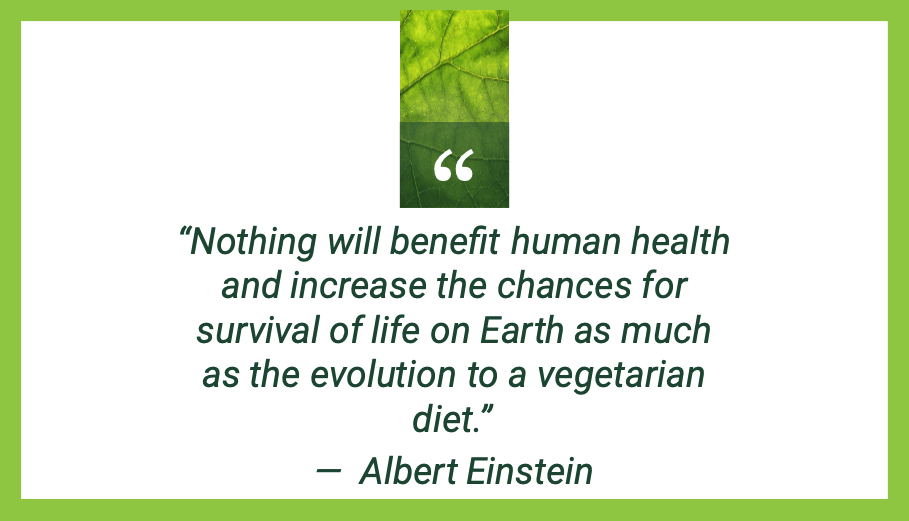
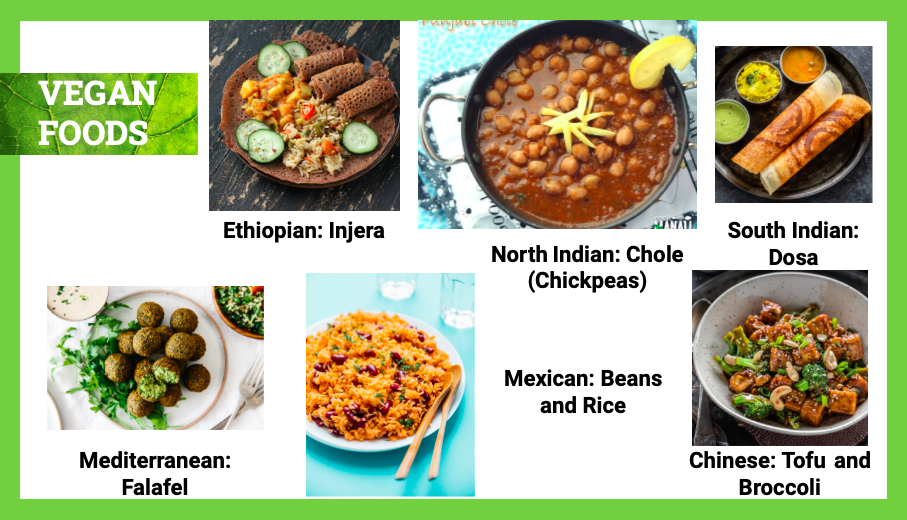
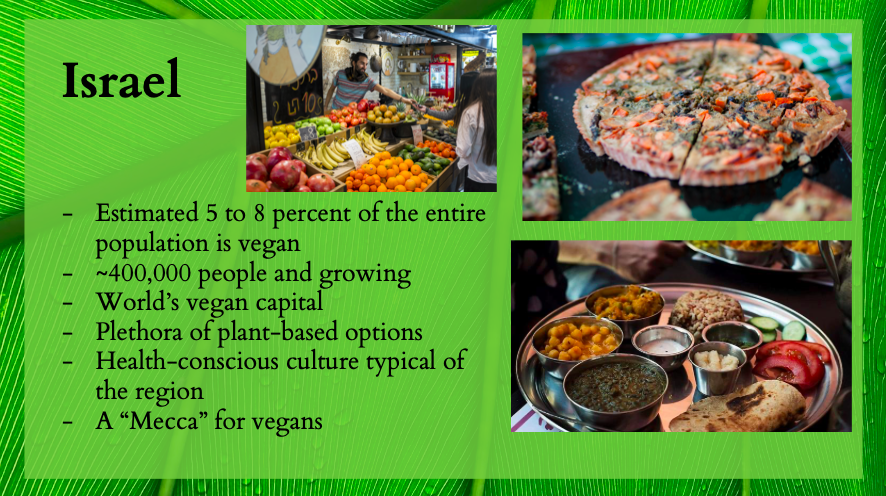
Veganism. I’m sure you’ve heard of it before. It’s that thing that everyone’s been talking about nowadays. It’s flooding magazines at grocery stores counters, making debuts into the lives of famous persona, and even transforming the way we’ve been thinking about food all along. But what exactly is veganism? What seems to be a lifestyle that, as many people I know would say, revolves around grass and leaves, veganism has come to become a widely misunderstood phenomenon. To understand this concept, let me take you back to the beginning of time; we’re talking like millions of years ago when our original human ancestors first walked this planet. Contrary to popular belief that our cavemen predecessors hunted for their source of nourishment, anatomically speaking, this is far from true. The ways that are bodies are built, more specifically looking at the shape of our molars, is indicative that our first ancestors munched on berries and shrubs rather than on big beef steaks. Okay, this is great and all, but what does this have to do with veganism? The very fact that our ancestors didn’t resort to animal sources of food means that our ancestors consumed a simple, plant-based diet and it would make sense that the bodies of modern day humans are also programmed to consume a similar diet. In other words, modern day humans are best suited to be, none other than, vegan. This is not to say that veganism condemns other lifestyles. In fact, that’s the opposite of what veganism aims to perpetrate. The idea behind veganism is incorporating more plant-based foods into your daily lifestyle to become both healthier and stronger. This is veganism-improved. So now it all boils down to what really veganism is. Veganism, according to the Merriam-Webster dictionary, is the practice of abstaining of all animal products, such as meat and dairy. It promotes causes such as saving the environment, anti-animal abuse, and body awareness and it’s impacting lives today in all sorts of ways. Even some of the most famous people we know today are vegans! These include Ellen Degeneres, Albert Einstein, and Kyrie Irving. Veganism is a revolutionary lifestyle and it’s one that’s here to stay.
How to Live a Positive Life

When I was first attracted to the concept of veganism, I wasn’t particularly keen on the emotional aspect of it. I thought it was something you do for moral reasons, or for your body, or for the environment. It never occurred to me that veganism would help me start my own journey into living a more peaceful, harmonious, and happier life. Now, I’m not here to tell you that every vegan is a positive person. In fact, that would be completely untrue. But I do believe that because veganism is a concept that is so rooted in helping other beings/things, you become selfless by performing it. But today, however, is not about veganism. It is about establishing yourself in a positive mindset to live a more positive life – something that veganism teaches us but we may fail to apply ourselves.

Recently, I listened to a podcast by Adam Grant – Work Life Balance – where he interviews Nobel-Prize winning economist Daniel Kahneman. Although most people see Dr. Kahneman as an economist, in the podcast he refers to himself as a psychologist studying human behavioral patterns and systems. When asked about happiness, Dr. Kahneman speaks of rejecting the movement of increasing happiness and, instead, focusing on “eliminating misery.” This is a powerful idea and becomes quite evident when you delve deeper into the concept. Humans become so focused on increasing their own happiness that they push down the misery inside of themselves. But misery is misery. It is bound to resurface as some point of time or the other – especially if you haven’t cut the root of misery out of your life. And, unfortunately, no one is talking about how to alleviate your misery and come out of it. Everyone says that to become less miserable you should focus on the positive aspects of your life. But this is only a mask that veils the hidden misery underneath. With this in mind, I constructed my own approach to dealing with happiness in my own life.

I believe that misery (self-misery) is rooted in yourself. I believe that everyone is the cause of their own misery. You have the entire ability to stop the pain that you are in once you recognize what is making you miserable. Although we relate much of the suffering we undergo to external causes, it cannot be said that these external causes are our sole cause of misery. Humans are bound to go through trials and tribulations in their external lives. That is life. One cannot say that they have lived if they have not gone through happiness, love, suffering, and pain. So, yes. Every human will have conflict in their life and every human will have harmony in their life – that is the nature of human life. Just because you equate your suffering to something that someone did to you 20 years ago, or something that someone said to you, or something that happened to you, your misery already existed inside of yourself before that. Because of an external cause, you realized that misery inside of yourself, but the external cause was not the reason for the misery. Happiness comes when you realize this. It is extremely easy to find fault and pin point others for putting you into to misery. It is extremely difficult to find fault within ourself and call ourselves wrong. We aren’t willing to admit our fault and say that we made our mistake: ego. Ego makes us so unwilling to let go of our staunch opinions and beliefs, that we don’t forgive others for mistakes and we hold on to the pain we felt from the moment they hurt us. But in the end, we are only hurting ourself. Those people forgot about what they did to us and move on with their life, and we do not. We hold on to it, think about it every single day, and surface emotions that push us deeper into suffering. So how do we deal with this?

The best way to come out of your misery is to let go of the concept of “I.” Realize that humans make mistakes and that you are no different. You will make mistakes, learn, make mistakes again, and learn again. If you hold your beliefs too tightly to yourself that there is not room for improvement – you are unable to see the flip side of the coin – you will sink into the sea of your own misery. But, if you can recognize that you are bound to come across conflict in your life, you are bound to come across happiness in your life, and accept that fact – you will automatically be lifted out of your misery. You will realize that external conflict exists but it comes and goes: it is impermanent. Even though it may exist now, it will not exist forever. This is the way to make peace with a positive life – by making peace with your suffering.

The Best Vegan Banana Bread Recipe

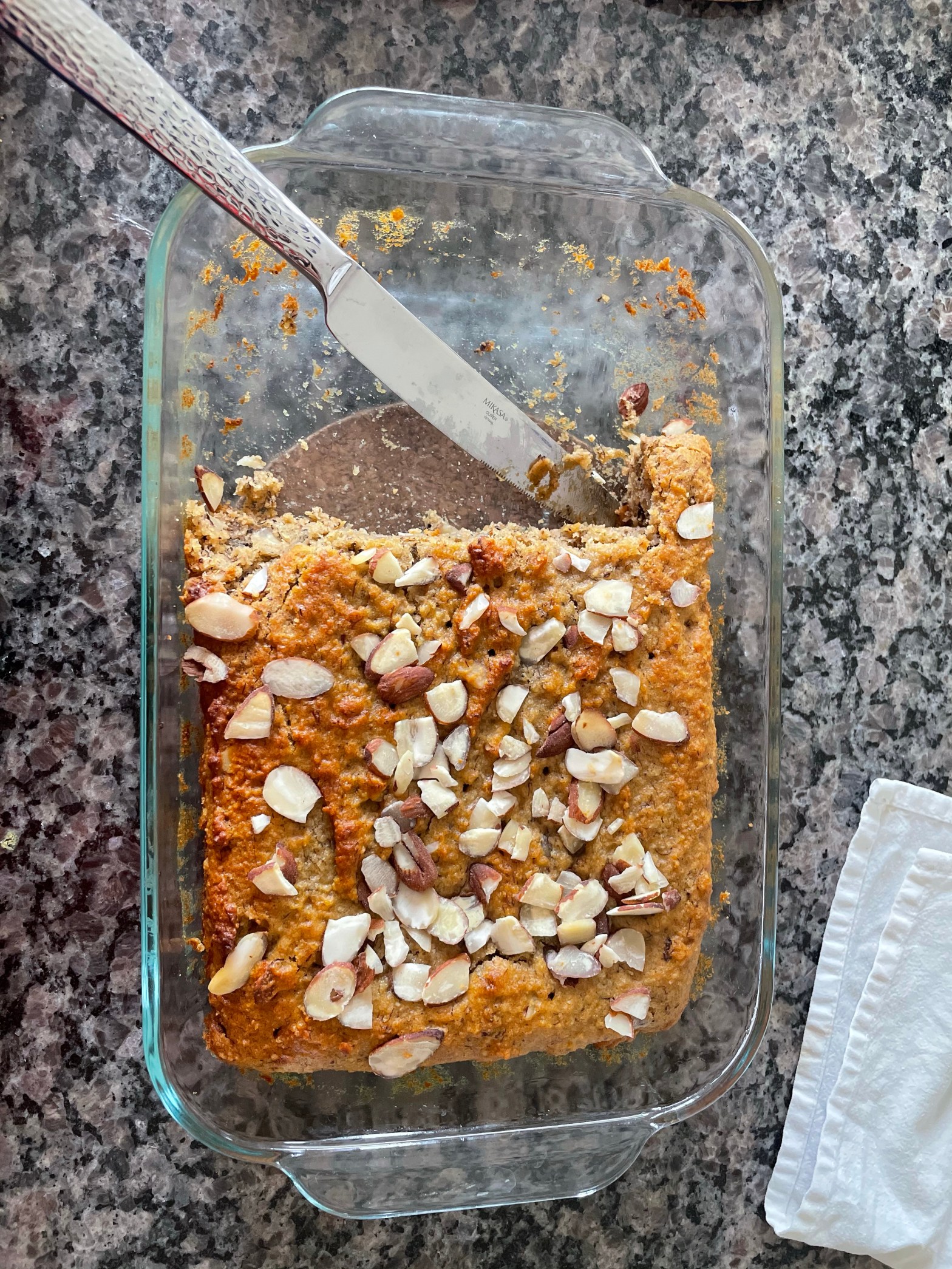
Yesterday, I had a few ripe bananas so I decided to make vegan banana bread and it turned out so well! I’m really amazed by the moist texture of the bread and the authentic flavor. You can’t even tell that it’s vegan and it’s healthy! Let’s get started.

So, the key to this vegan banana bread is almond flour. Almond flour is by nature very moist and adds a lot of flavor to the bread. Here is a list of ingredients you will need:

  • 1 ½ cups mashed ripe banana about 4 medium or 3 extra large
  • 3 tbsp of egg substitute mixed with 6 tbsp of water (let sit for about a minute)
  • 1/4 cup pure maple syrup or blue agave
  • 3 tablespoons canola oil or melted and cooled coconut oil
  • 1 teaspoon pure vanilla extract
  • 1 teaspoon baking powder
  • 1 teaspoon baking soda
  • ½ teaspoon ground cinnamon
  • Pinch ground nutmeg (optional)
  • ½ teaspoon kosher salt
  • 1 1/2 cups blanched almond flour
  • 1 1/2 cups whole wheat baking flour
  • Chopped nuts and almonds for garnish and toppings (optional)

The steps are simple after you gather all of your ingredients! Combine the wet ingredients in a bowl (bananas, egg substitute, maple syrup/blue agave, oil, vanilla extract) and in a separate bowl combine your dry ingredients (baking powder, baking soda, cinnamon, nutmeg, salt, flour). Combine the two together and pour into a greased 8×8 baking pan. Bake for 30-35 mins at 350 degrees, covering the pan with tin foil half way in between. Enjoy!

Food during the Holidays

Food: a wonderful way to connect during the holidays. Food brings people together at the table. Food spreads joy and comfort. Food is probably the number one reason why we even come together for the holidays. Even though the holidays look different this year, food is still a crucial part of the experience we call bonding. But did you know that the heaviest losses of food occur during the holidays? As much as we love and appreciate the food on the table, it is also during this time that we waste the precious supply of food on our planet.

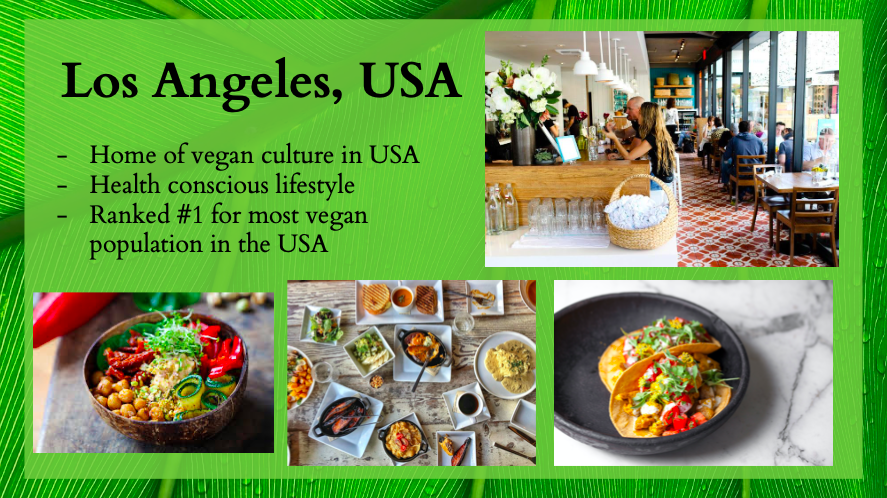
I urge you all to make conscious food choices at your dinner table. Even during the holidays, it is important to make healthy choices for you and the planet. Never cook more than you need. Avoid food wastage. Maybe even add a few vegan dishes to the menu this year!

I hope you all have a wonderful holiday season! Namaste.

Vegan Thanksgiving Recipe

Happy Thanksgiving everyone! I’m so grateful for all of you, and I hope you have a wonderful Thanksgiving with your families. One of my really good friends told me that I should blog about a vegan recipe that I made for Thanksgiving dinner, so I’m sharing my vegan mac and cheese recipe today!

Ingredients:

• 8 ounces whole-grain macaroni elbows

• 1 ½ tablespoons avocado oil or extra-virgin olive oil

• 1 small yellow onion, chopped (about 1 ½ cups)

• 1 cup peeled and grated russet potato (4 ounces, about 1 small or ½ medium potato), preferably organic

• 3 cloves garlic, pressed or minced

• ½ teaspoon garlic powder

• ½ teaspoon onion powder

• ½ teaspoon dry mustard powder

• ½ teaspoon fine sea salt, more to taste

• Small pinch of Frontier Co-op red pepper flakes

• ⅔ cup raw cashews**

• 1 cup water, more as necessary

• ¼ cup Frontier Co-op nutritional yeast 

• 2 to 3 teaspoons apple cider vinegar or distilled white vinegar, to taste

Instructions:

1. Bring a large pot of salted water to boil for the pasta and cook according to package instructions. Drain, and transfer the contents to a large serving bowl.

2. Heat up the oil over medium heat. Add the onion and a pinch of salt and cook, stirring often, until the onion is tender (~5 minutes).

3. Add the spices and stir to combine, and cook, stirring constantly, for about 1 minute to enhance their flavors.

4. Add the cashews and water, and stir to combine. Let the mixture come to a simmer. Continue simmering, stirring frequently and reducing heat as necessary to avoid a rapid boil, until the potatoes are completely tender and cooked through, about 5 to 8 minutes.

5. Carefully pour the mixture into a blender. Add the nutritional yeast and 2 teaspoons vinegar. Blend until the mixture is completely smooth, about 2 minutes, stopping to scrape down the sides if necessary. If the mixture won’t blend easily or if you would prefer a thinner consistency, add water in ¼ cup increments, blending after each one.

6. Taste, and blend in additional salt until the sauce is utterly irresistible (I typically add at least another ½ teaspoon). If it needs a little more zip, add the remaining teaspoon of vinegar. Blend again.

7. Pour the sauce into the bowl of pasta. Stir until well combined, and serve immediately.

Let me know if you guys enjoyed this recipe! Happy holidays!

Find full recipe on Cookie and Kate.

Usos Medicinales de las Plantas en la Antigua India

¡Feliz Domingo a todos! La cultura basada en plantas ha existido por un tiempo, como todos saben, pero ¿qué papel desempeñaron las plantas en las sociedades antiguas? Más específicamente, ¿qué papel jugaron las plantas en los usos diarios? En algunas culturas, las plantas eran encarnaciones espirituales de antepasados ​​que eran adorados a diario. En otras culturas, las plantas eran herramientas que se usaban como parte de la vida diaria, tal como usamos la tecnología hoy. Pero en culturas, como muchas de las que prevalecen en la India, las plantas no solo se usaban como alimento sino también como curación medicinal. Un término, que llegó a ser acuñado como Ayurveda, engloba este tipo de cultura de la medicina vegetal. 

Ayurveda es una secta de la medicina que se centra en obtener curas a través de fuentes naturales. Este tipo de curación medicinal se centra en la idea de restablecer el equilibrio en su cuerpo. Así como la meditación se usa para calmar la mente, el Ayurveda se usa para equilibrar el cuerpo y la mente con respecto al medio ambiente. Se ha practicado durante más de 3.000 años y es particularmente notable en las sociedades antiguas. Las plantas se utilizaron como un medio para curar cuando no estaban disponibles otras formas de medicina. Estas sociedades indias solían extraer ciertos jugos y productos químicos de las plantas y usarlos como alivio. Muchas técnicas ayurvédicas se han practicado en la medicina occidental y sus beneficios son inmejorables y, además, vienen sin efectos secundarios, en su mayor parte. 

¿Qué es una cultura antigua que conoces que usaba las plantas como herramienta en la vida diaria? ¡Comenta abajo!

Vegetarianism in South Asian Cultures

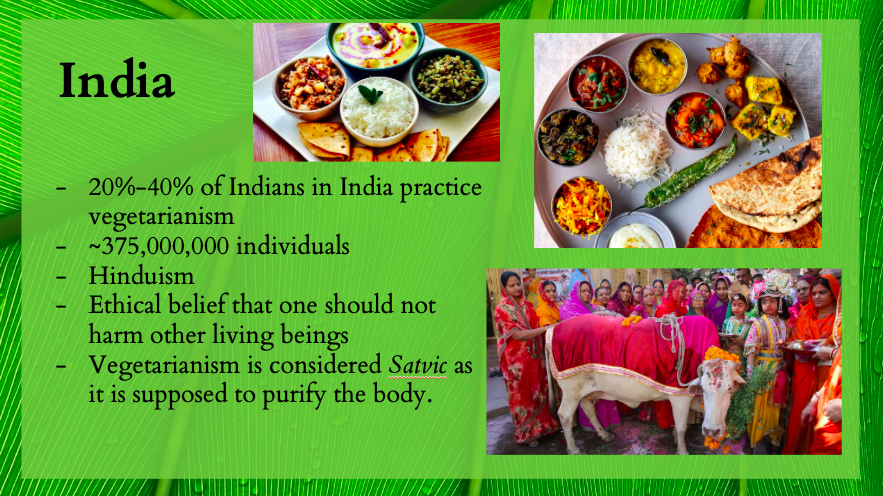
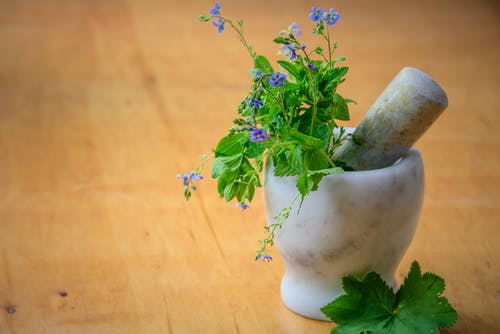
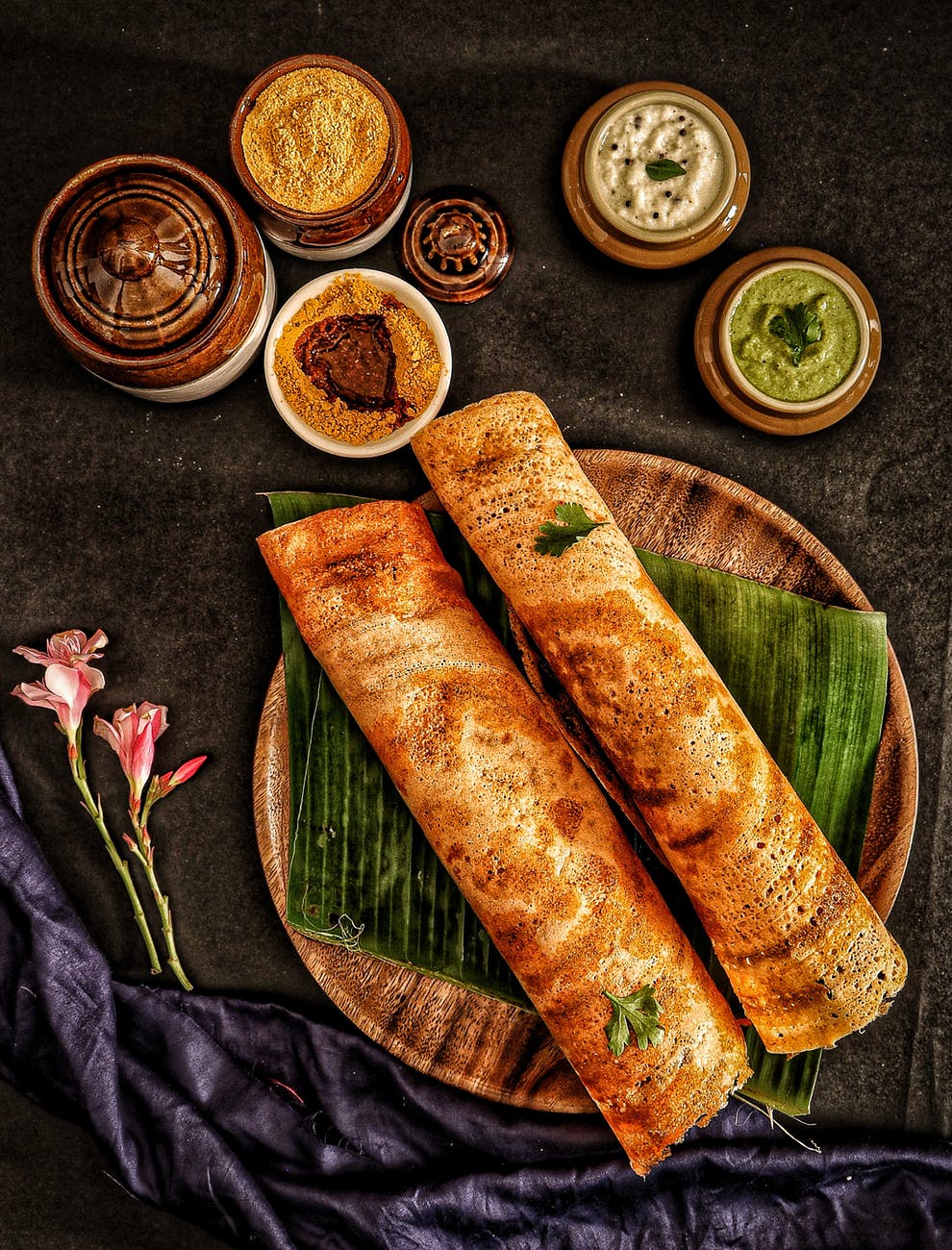
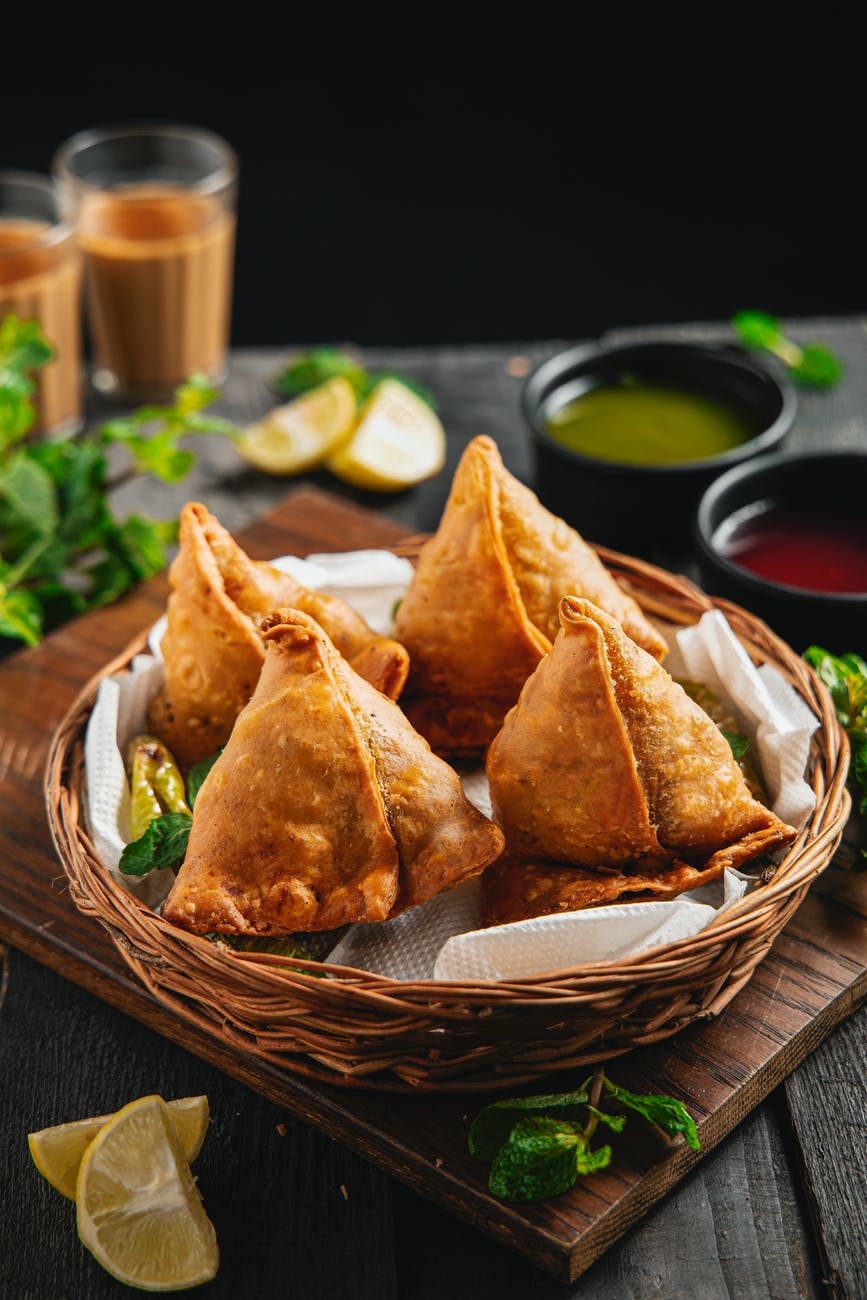
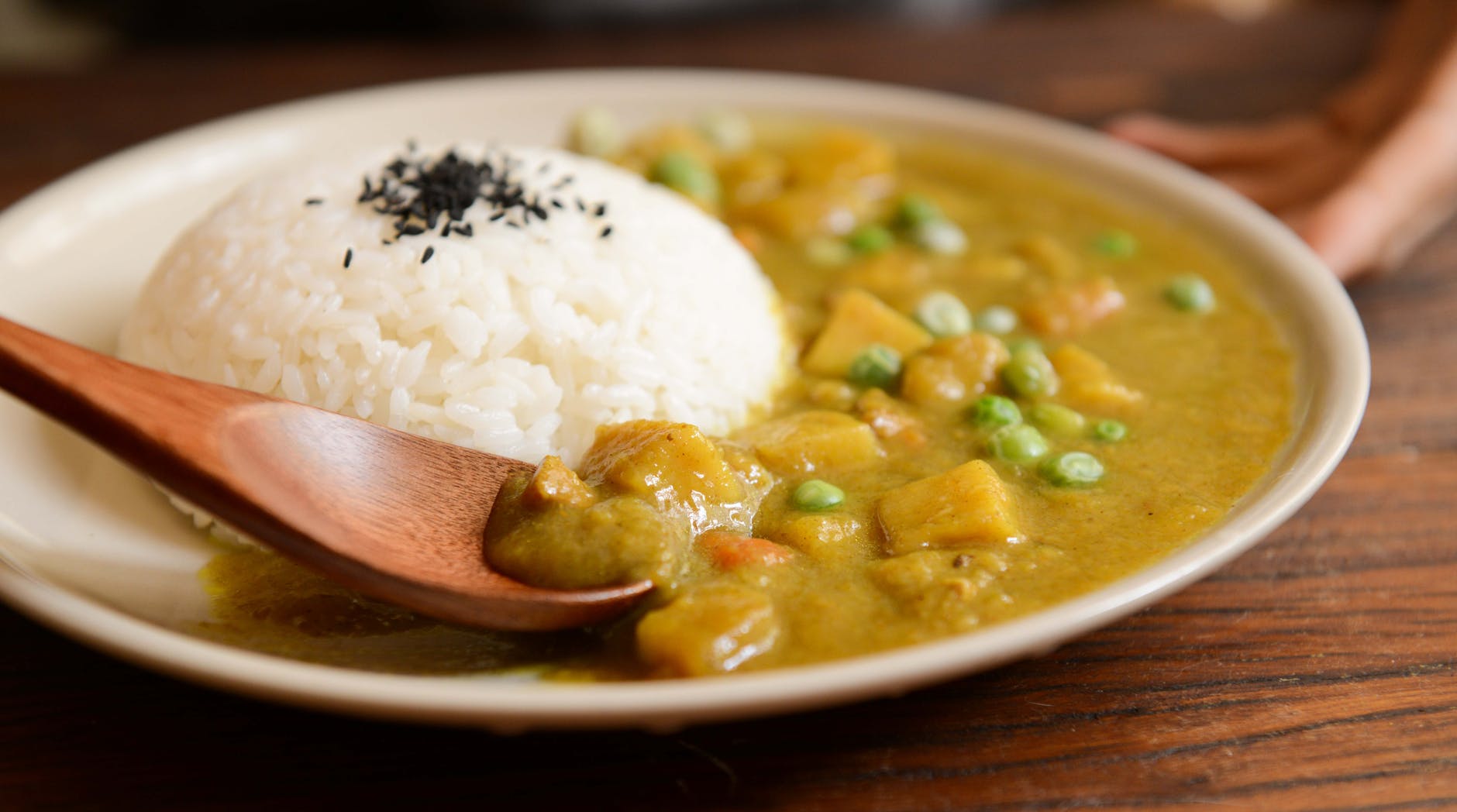
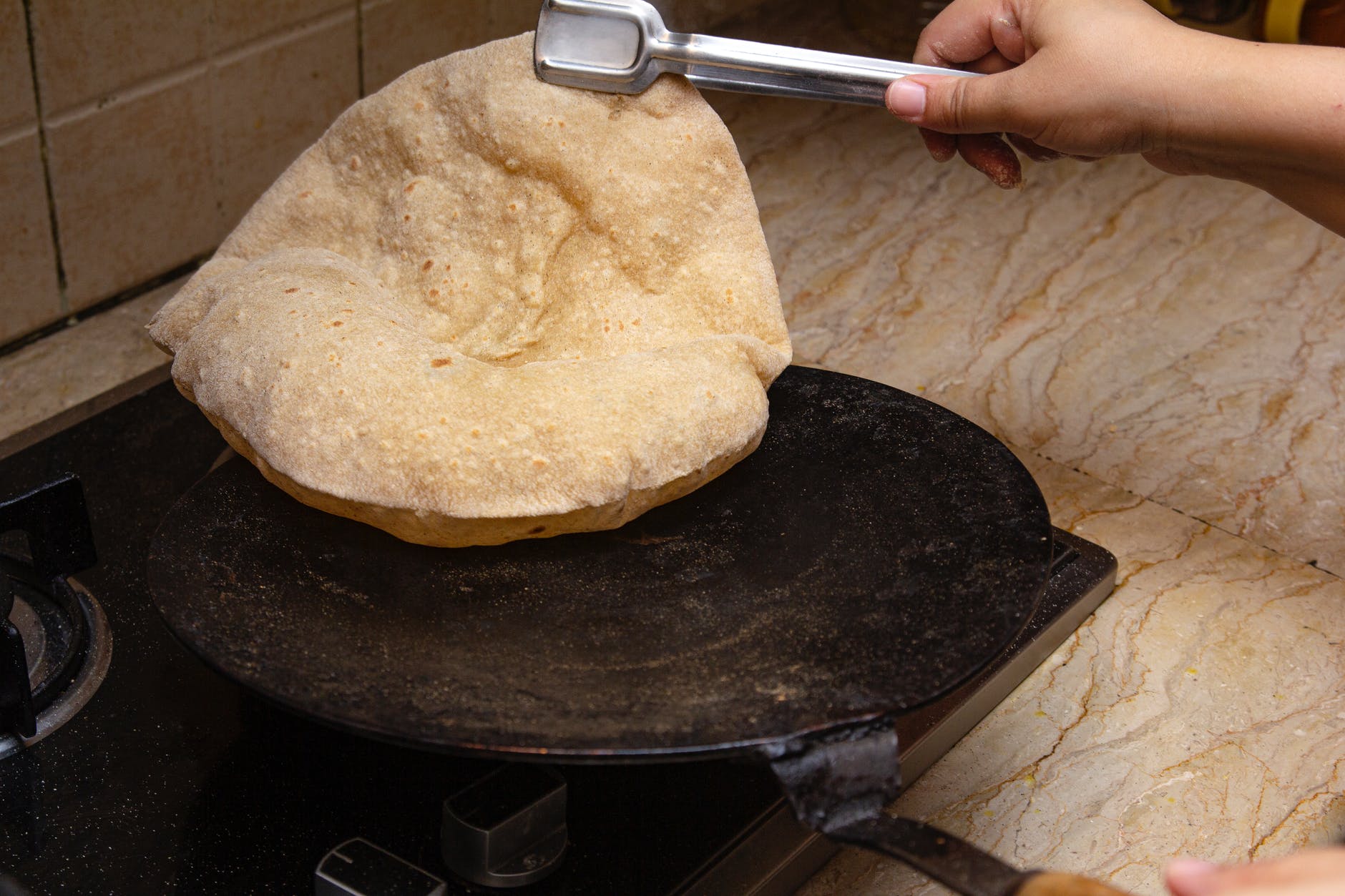
Did you know that many ancient South Asian cultures practiced veganism? Here are a few pictures of some of the many delicious vegetarian foods eaten even today in India and that people have been eating for centuries.

Photo by Saveurs secretes on Pexels.com
Photo by Satyam Verma on Pexels.com
Photo by Buenosia Carol on Pexels.com
Photo by Usman Yousaf on Pexels.com
Design a site like this with WordPress.com
Get started